

Valve RFQ Checklist: What to Specify Before Requesting a Quotation
A clear valve RFQ helps suppliers understand the required product and prepare an accurate quotation. Missing information may lead to repeated questions, unsuitable products or installation delays.
1. Valve Type and Service
State the required valve type and function:
- Ball valve
- Butterfly valve
- Gate valve
- Globe valve
- Check valve
Also specify whether the valve is used for isolation, flow regulation or backflow prevention.
2. Size and Pressure Rating
Provide the nominal size using DN or NPS and specify the pressure rating, such as ASME Class 150, Class 300, PN16 or PN25.
Where possible, include the design pressure, operating pressure and temperature range. Pipe size alone is not enough to confirm the correct valve rating.
3. End Connection
Specify the required connection:
- Flanged
- Butt-weld
- Socket-weld
- Threaded
- Wafer or lug type
For flanged valves, include the flange standard, facing type and bolt-hole pattern. For welded valves, provide the pipe wall thickness or end preparation requirements.
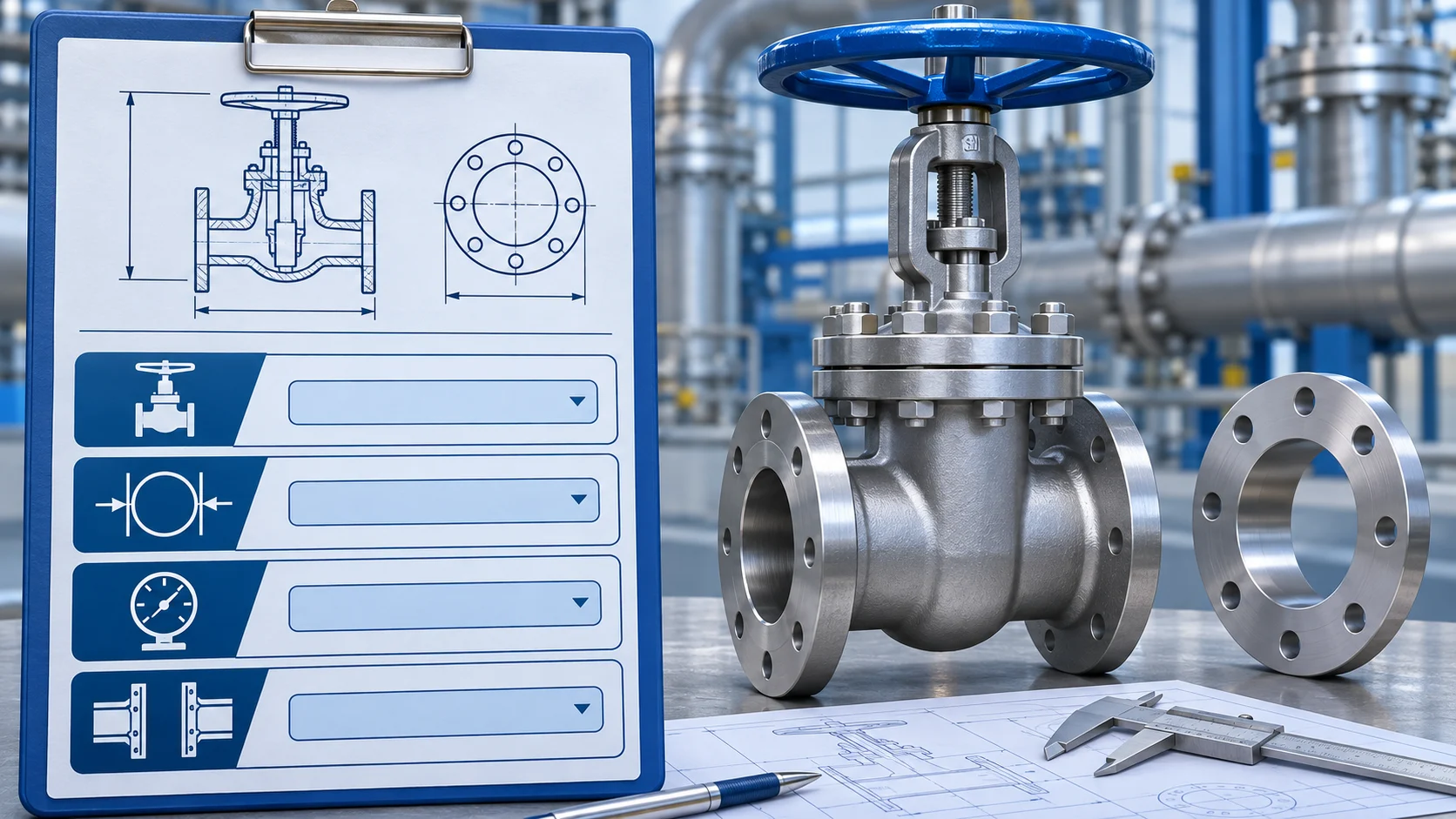
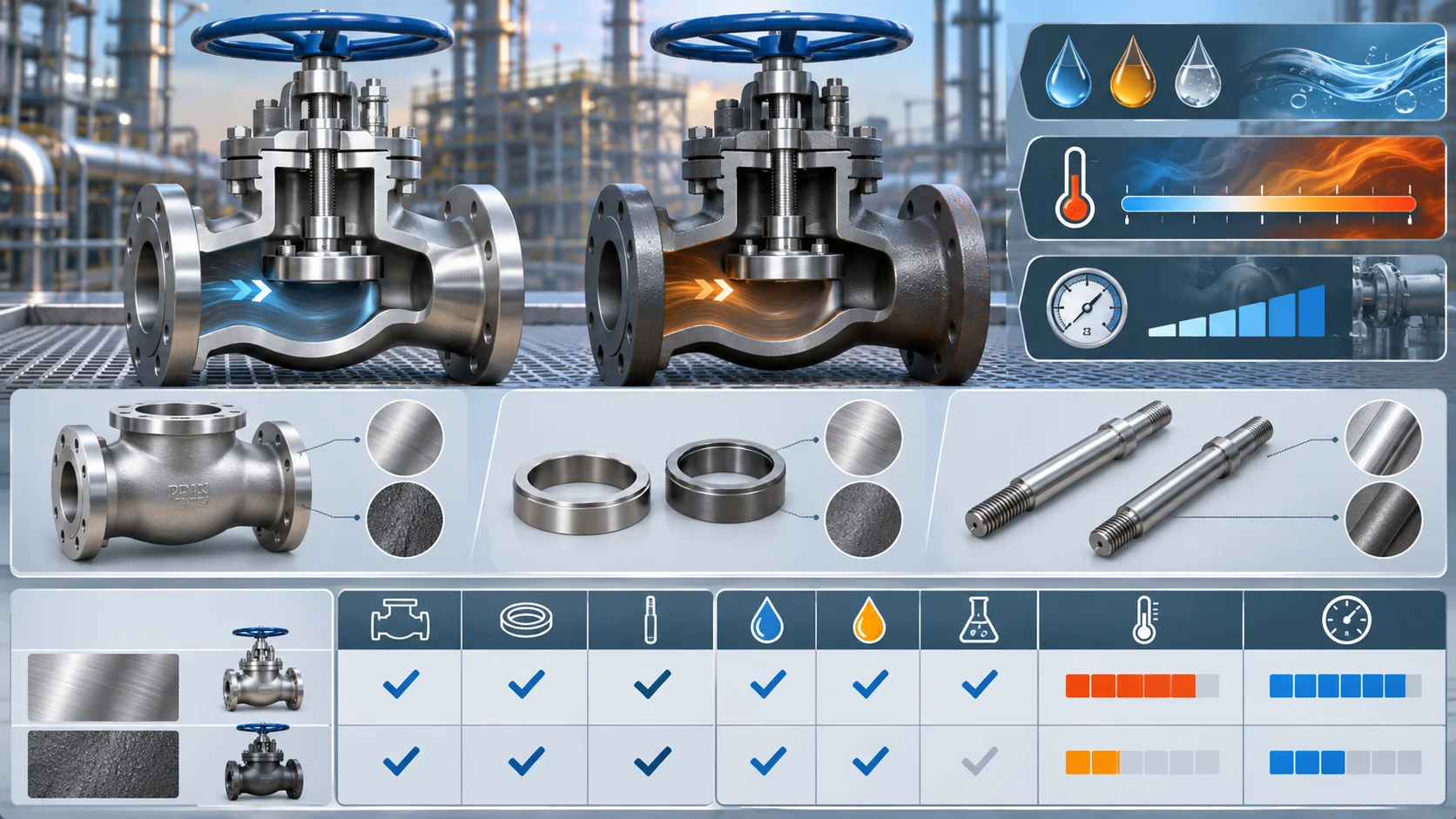
4. Materials and Service Conditions
List the materials required for the body, bonnet, stem, disc or ball, seat and bolting.
Material selection should consider:
- Fluid or medium
- Design pressure
- Operating temperature
- Corrosion or abrasion
- Flow direction
If the project has an approved material list or technical specification, attach it to the RFQ.
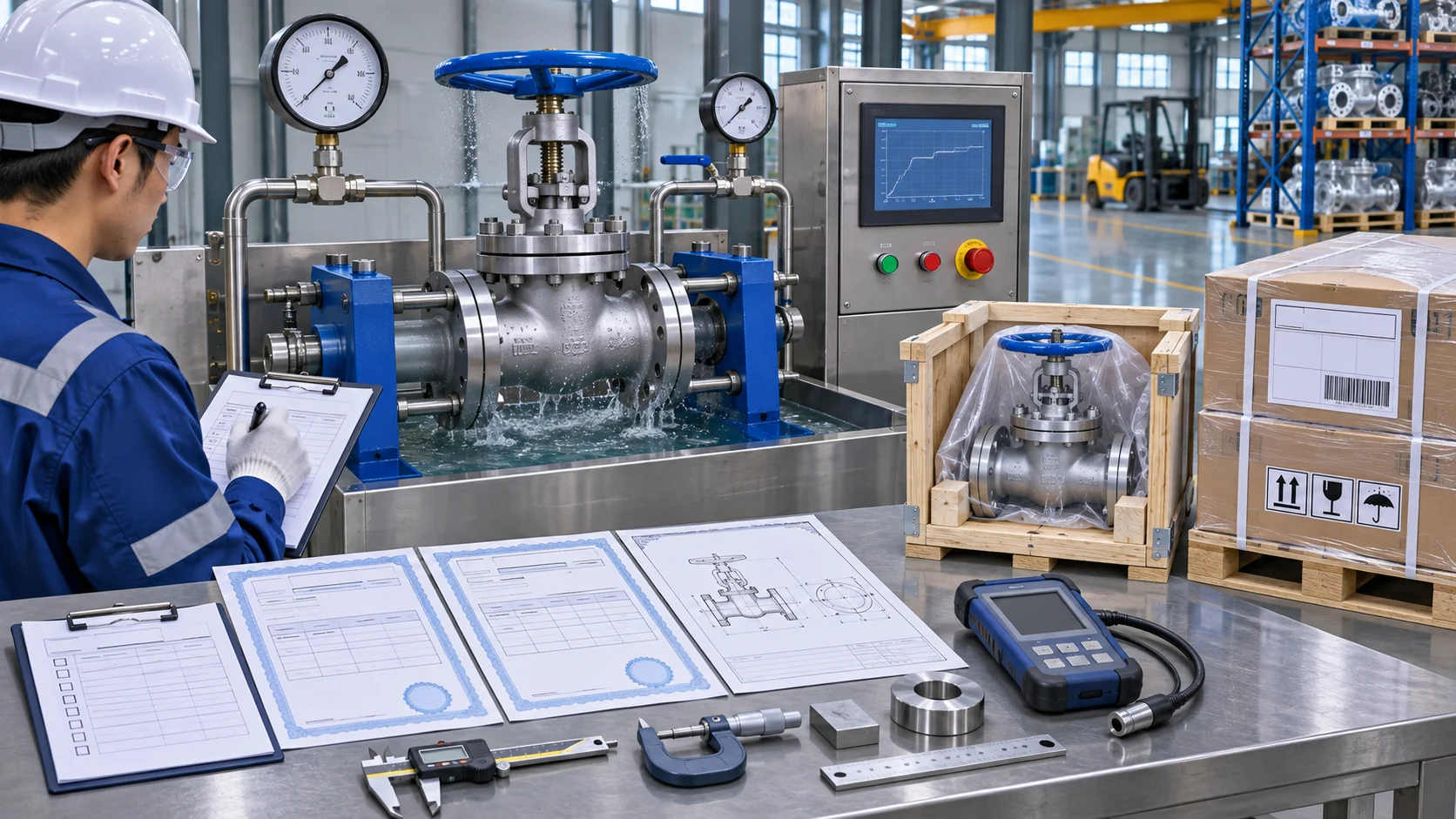
5. Actuator, Testing and Documents
For automated valves, specify the actuator type and power source, such as manual, pneumatic, electric or hydraulic.
Also state any required accessories, including solenoid valves, limit switches, positioners or fail-safe functions.
The RFQ should identify required tests and documents, such as:
- Shell pressure test
- Seat leakage test
- Material certificate
- PMI or hardness testing
- Inspection report
- Coating, packing and marking requirements
6. Quantity and Delivery
Include the required quantity, delivery destination, target delivery date and packaging requirements. For project orders, provide the shipment schedule if available.
Final Checklist
Before sending a valve RFQ, confirm that it includes:
- Valve type and service.
- Size and pressure rating.
- End connection details.
- Materials and operating conditions.
- Actuator, testing and documentation requirements.
- Quantity and delivery expectations.
A complete RFQ reduces clarification time and helps suppliers quote valves that are technically compatible with the project.
Related Articles
-
 November 9,2026
Why Valve End Connection Mismatches Cause Installation Problems
A valve can have the correct nominal size and pressure class but still be unsuitable for installation. The problem is often caused by a mismatch between the valve end connection and the adjacent pipe, fitting or equipment. Checking the connection details before ordering helps reduce rework, leakage …
-
 November 6,2026
How to Read an Industrial Valve Data Sheet
An industrial valve data sheet summarizes the technical conditions required for valve selection. Before requesting a quotation, engineers and purchasing teams should check whether the valve type, pressure rating, materials and connections match the piping system. 1. Confirm the Valve Type Start by i …
-
 November 3,2026
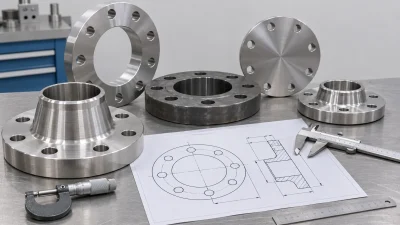
How to Read an Industrial Flange Drawing
An industrial flange drawing contains the information needed to identify, manufacture and inspect a flange. Before sending an RFQ or approving a quotation, review the following details. 1. Check the Standard First identify the applicable standard, such as ASME B16.5, ASME B16.47 or EN 1092-1. The st …