

The TCO Approach: Why High-Performance Butterfly Valves are Winning the Large-Diameter Race
Breaking the “Gate Valve Default” Historically, large-diameter lines (DN300+) were dominated by Gate Valves. However, at DTC Flowtech, we encourage our clients to apply the Total Cost of Ownership (TCO) model. A DN600 Gate Valve is massive, heavy, and requires expensive supports and large actuators.
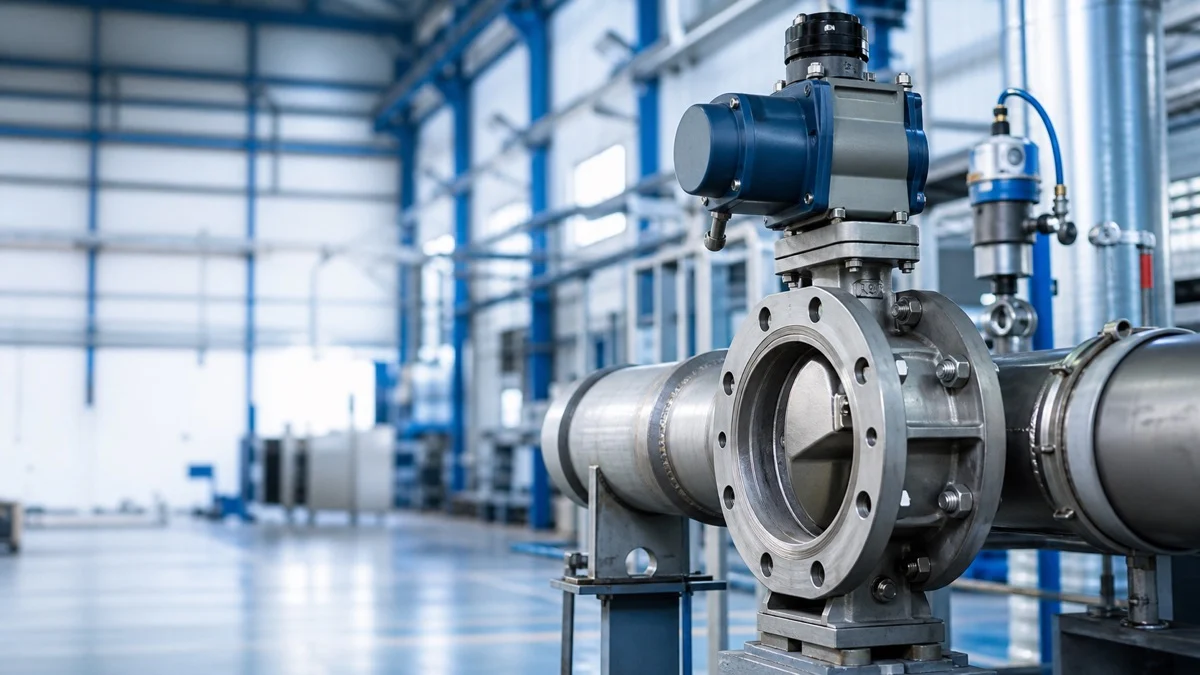
1. Weight, Space, and Actuation Savings A High-Performance Butterfly Valve can offer the same pressure rating as a Gate Valve while weighing 60% less. This weight reduction significantly lowers shipping costs and simplifies installation. Furthermore, because a Butterfly valve is quarter-turn, it requires a smaller, less expensive actuator compared to the multi-turn requirement of a Gate valve.
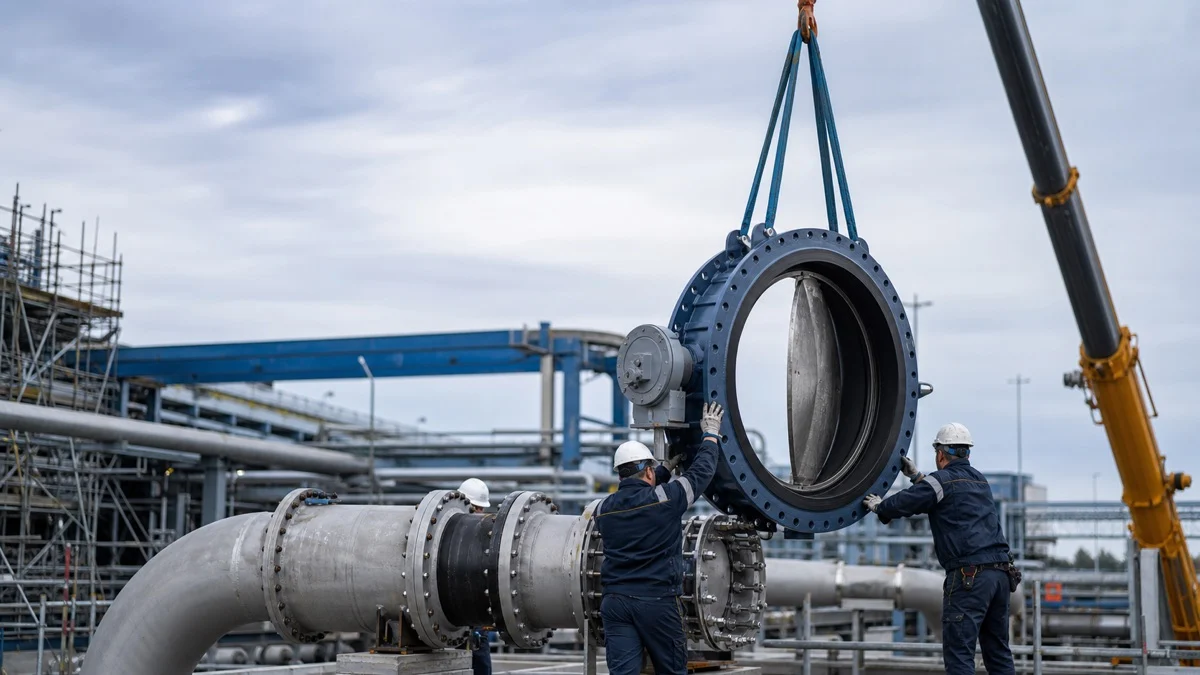
2. The Criticality of “Fire Safe” Design In oil and gas applications, a valve must not only shut off media but also survive a fire. DTC’s API 607 Certified ball and butterfly valves feature secondary metal-to-metal seats. If the primary soft seat melts in a fire, the metal seat engages to prevent a catastrophic fuel leak. This “Fire Safe” designation is a non-negotiable requirement for high-risk infrastructure.

Expert Advice from DTC: Always specify your Media Velocity. If the velocity is too high, a standard Butterfly valve may experience “Flutter,” leading to seat wear. Our engineers can help you calculate the correct disc material and seat configuration to ensure a 20-year service life.
Related Articles
-
 July 29,2026
Welding vs. Grooving: Why Modern Commercial Projects are Switching to DTC Grooved Systems
The Labor Cost Revolution In the US and European commercial construction markets, labor is the single highest expense. Welding a 6-inch fire main requires a skilled welder, fire permits, and significant time. 1. 3x Faster Installation A DTC grooved system can be installed 3 to 4 times faster than a …
-
 July 29,2026
An Introduction to Grooved Piping Systems: Speed, Flexibility, and Vibration Dampening
1. The Grooved Concept Instead of welding or threading, a groove is rolled or cut into the end of the pipe. A Grooved Coupling (containing a C-shaped gasket) is then bolted over the two pipe ends to create a seal. 2. Rigid vs. Flexible Couplings Rigid Couplings: Create a joint that behaves like a we …
-
 July 29,2026
Avoiding the “Paperwork Trap”: Why DTC Conducts Independent PMI and Hardness Testing
The Risk of Document Fraud In the global PVF market, a certificate is only as good as the company behind it. Unfortunately, “paperwork-only” suppliers often pass off inferior materials with forged MTCs. 1. Positive Material Identification (PMI) At DTC, we don’t just trust the mill; …