

Preventing Pipeline “Walking”: Why Anchor Flanges are Critical for Long-Distance Infrastructure
The Invisible Force of Thermal Expansion In high-pressure oil or gas transmission lines, the friction between the pipe and the soil isn’t always enough to keep the pipe in place. Thermal expansion can cause the pipe to “walk” or move axially, putting immense stress on pump stations and valve manifolds.
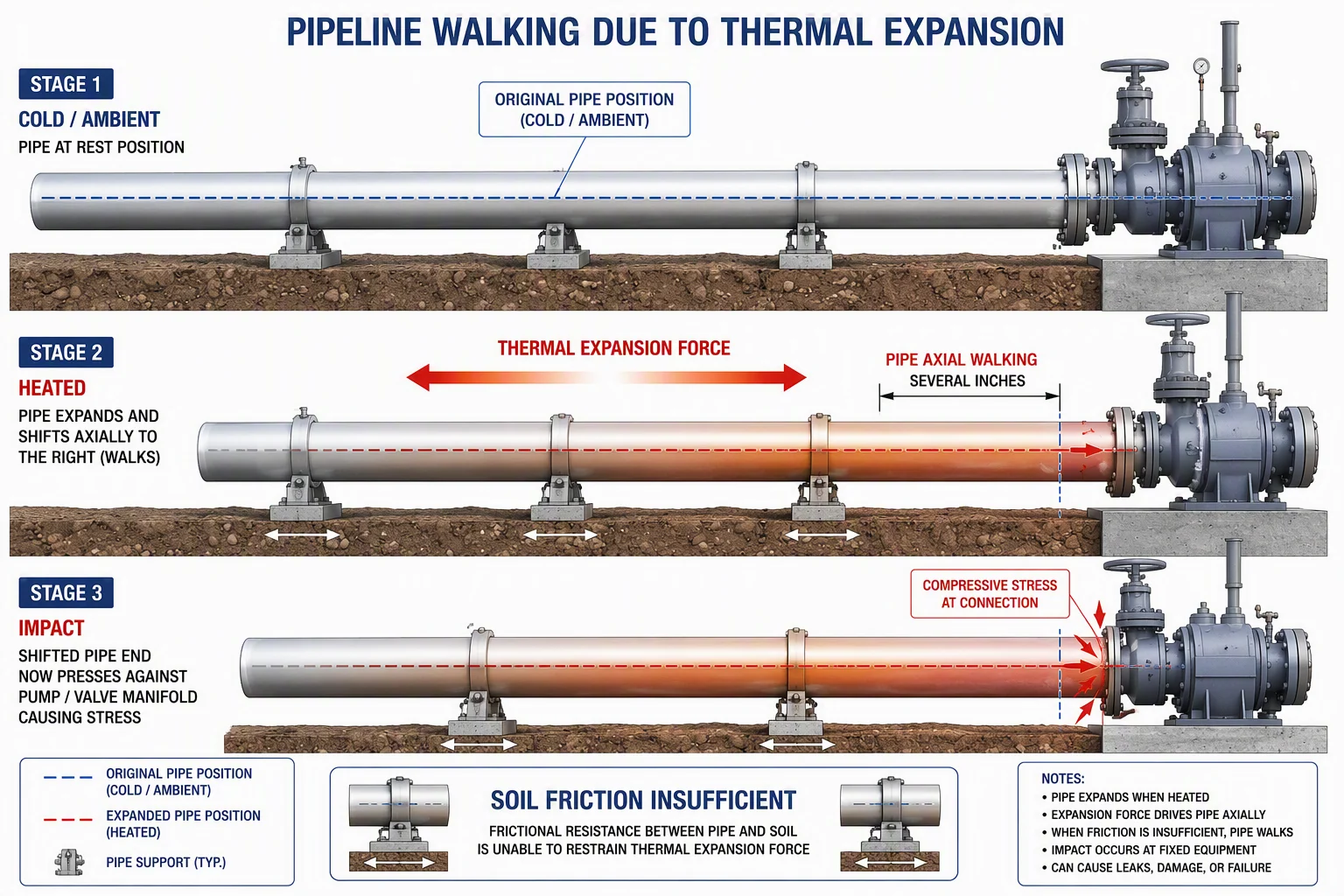
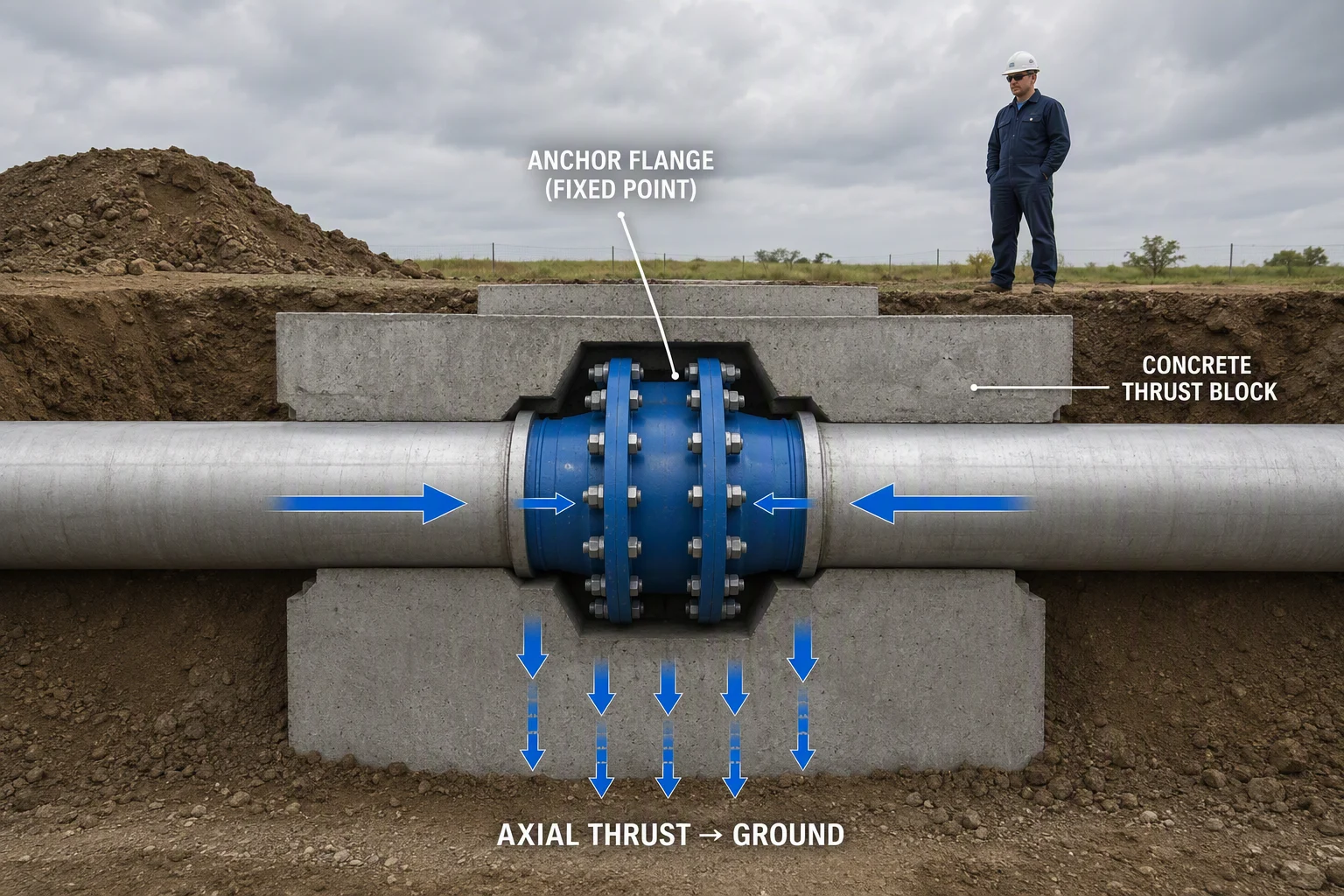
1. The “Fixed Point” Strategy At DTC Flowtech, we recommend Anchor Flanges as the primary solution for pipeline stability. Unlike standard supports, an anchor flange is embedded in a concrete thrust block. It transfers the massive axial thrust of the pipeline directly into the ground, protecting sensitive equipment from misalignment or catastrophic joint failure.
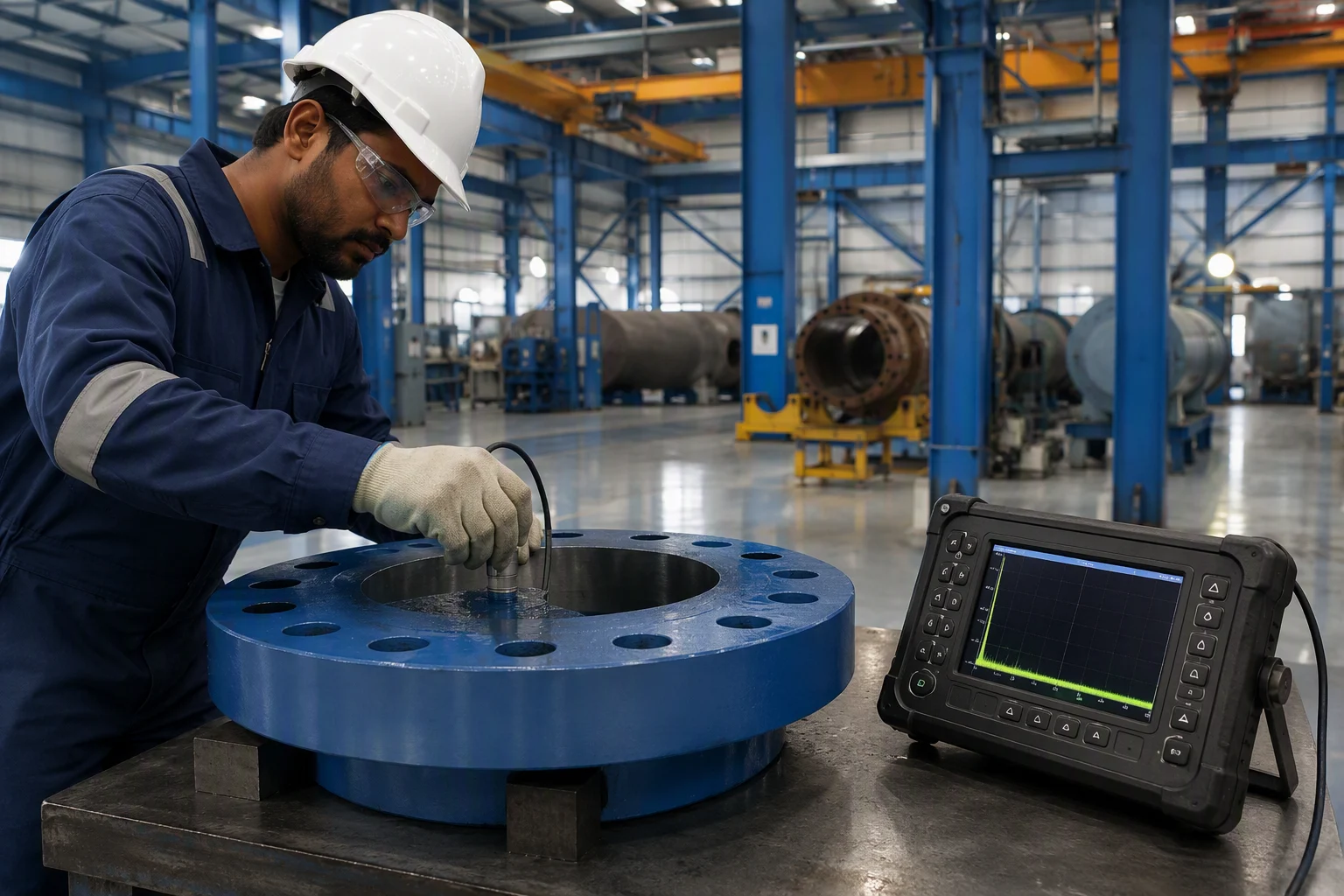
2. Forging Integrity in Anchor Design Because anchor flanges handle the entire thrust of miles of pipeline, the forging quality is non-negotiable. DTC ensures that our anchor flanges (often in ASTM A105 or High-Yield A694) undergo rigorous ultrasonic testing to ensure zero internal inclusions.
DTC Expert Tip: When ordering Spectacle Blinds, always specify the Handle Requirement. For larger sizes, a lifting hole is essential for safe manual handling during “blind-to-open” transitions.
Related Articles
-
 July 29,2026
Welding vs. Grooving: Why Modern Commercial Projects are Switching to DTC Grooved Systems
The Labor Cost Revolution In the US and European commercial construction markets, labor is the single highest expense. Welding a 6-inch fire main requires a skilled welder, fire permits, and significant time. 1. 3x Faster Installation A DTC grooved system can be installed 3 to 4 times faster than a …
-
 July 29,2026
An Introduction to Grooved Piping Systems: Speed, Flexibility, and Vibration Dampening
1. The Grooved Concept Instead of welding or threading, a groove is rolled or cut into the end of the pipe. A Grooved Coupling (containing a C-shaped gasket) is then bolted over the two pipe ends to create a seal. 2. Rigid vs. Flexible Couplings Rigid Couplings: Create a joint that behaves like a we …
-
 July 29,2026
Avoiding the “Paperwork Trap”: Why DTC Conducts Independent PMI and Hardness Testing
The Risk of Document Fraud In the global PVF market, a certificate is only as good as the company behind it. Unfortunately, “paperwork-only” suppliers often pass off inferior materials with forged MTCs. 1. Positive Material Identification (PMI) At DTC, we don’t just trust the mill; …