

The Chloride Trap: Why 304 Fails Where 316 Thrives in Coastal Infrastructure
The Cost of “Pitting” Many buyers choose SS304 because it is roughly 30-40% cheaper than SS316. However, if your project is within 5 miles of a coastline or involves saline process water, SS304 will eventually develop small, deep holes known as Pitting Corrosion.
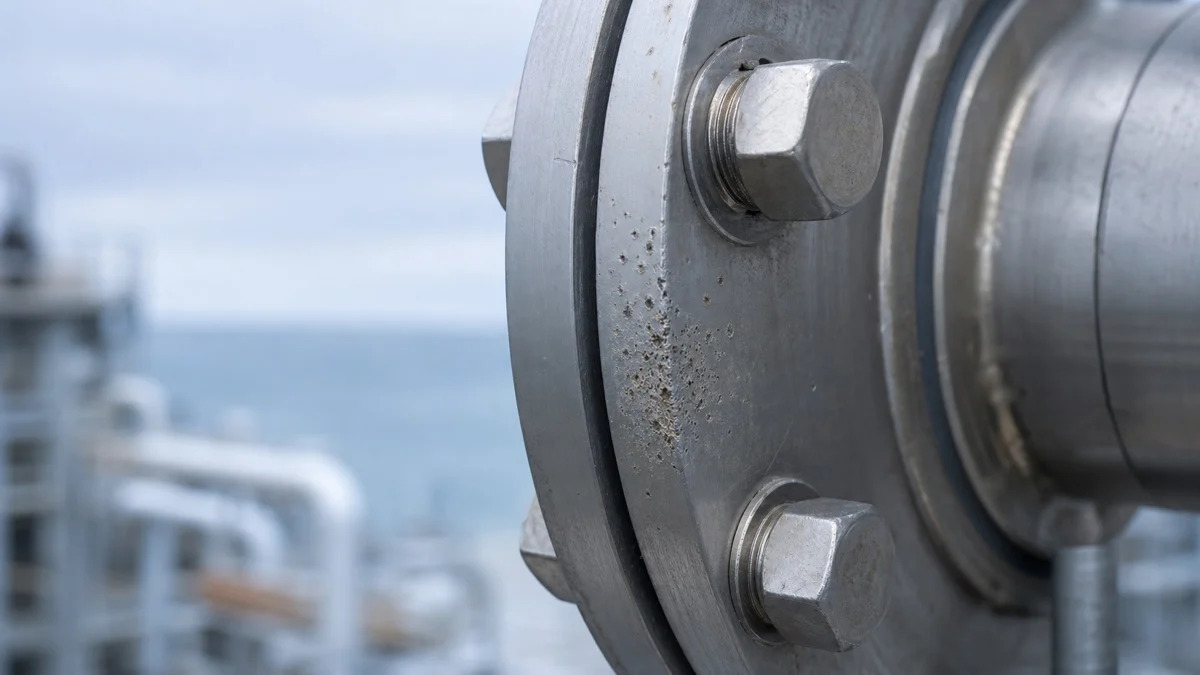
1. Molybdenum: The Silent Protector At DTC, we educate our clients on the PREN (Pitting Resistance Equivalent Number). The addition of Molybdenum in SS316 raises the PREN score significantly. In chloride-heavy environments (like desalination plants or offshore platforms), SS304’s passive layer breaks down, while SS316 remains intact.
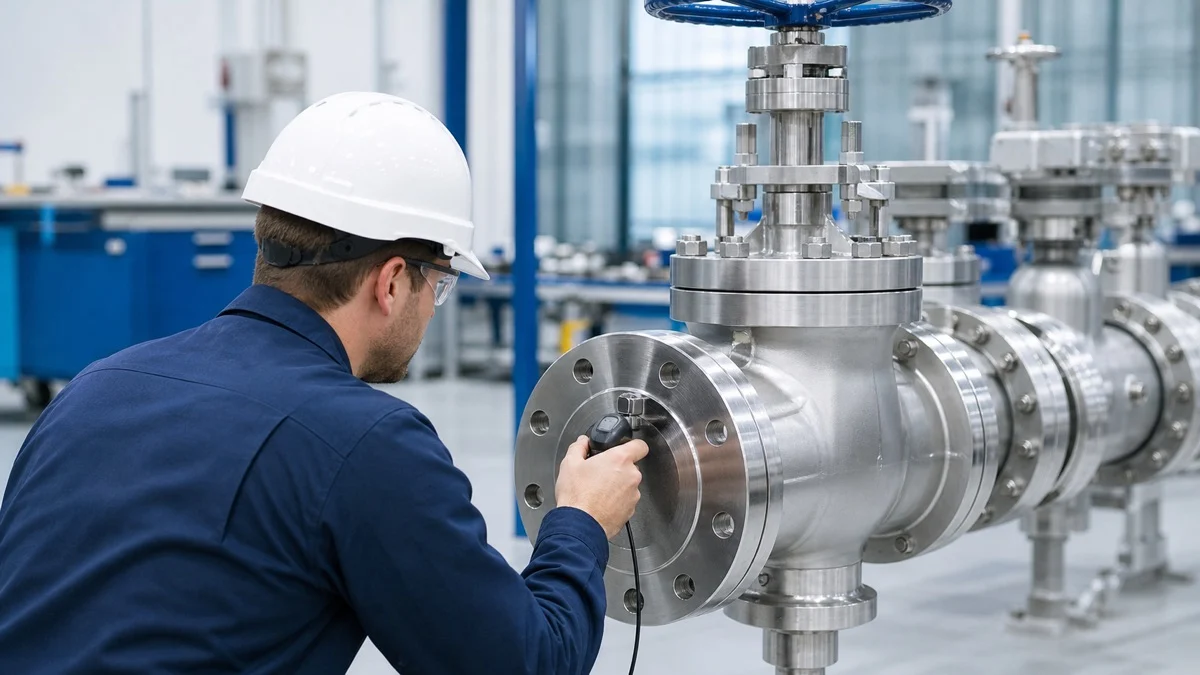
2. TCO Analysis: Maintenance vs. Material Replacing a corroded flange or valve in an operational plant involves labor, downtime, and safety permits. If a 304 component fails in 3 years and a 316 component lasts 15 years, the SS316 option is actually 80% cheaper over the lifecycle of the plant.

DTC Expert Recommendation: If your project involves chemical cleaning agents (CIP) or saline air, do not compromise. Specify SS316L to ensure weld integrity and long-term surface protection.
Related Articles
-
 July 29,2026
Welding vs. Grooving: Why Modern Commercial Projects are Switching to DTC Grooved Systems
The Labor Cost Revolution In the US and European commercial construction markets, labor is the single highest expense. Welding a 6-inch fire main requires a skilled welder, fire permits, and significant time. 1. 3x Faster Installation A DTC grooved system can be installed 3 to 4 times faster than a …
-
 July 29,2026
An Introduction to Grooved Piping Systems: Speed, Flexibility, and Vibration Dampening
1. The Grooved Concept Instead of welding or threading, a groove is rolled or cut into the end of the pipe. A Grooved Coupling (containing a C-shaped gasket) is then bolted over the two pipe ends to create a seal. 2. Rigid vs. Flexible Couplings Rigid Couplings: Create a joint that behaves like a we …
-
 July 29,2026
Avoiding the “Paperwork Trap”: Why DTC Conducts Independent PMI and Hardness Testing
The Risk of Document Fraud In the global PVF market, a certificate is only as good as the company behind it. Unfortunately, “paperwork-only” suppliers often pass off inferior materials with forged MTCs. 1. Positive Material Identification (PMI) At DTC, we don’t just trust the mill; …