

Torsional Stiffness and Corrosion ROI: Why RHS and SHS are Replacing Open Profiles
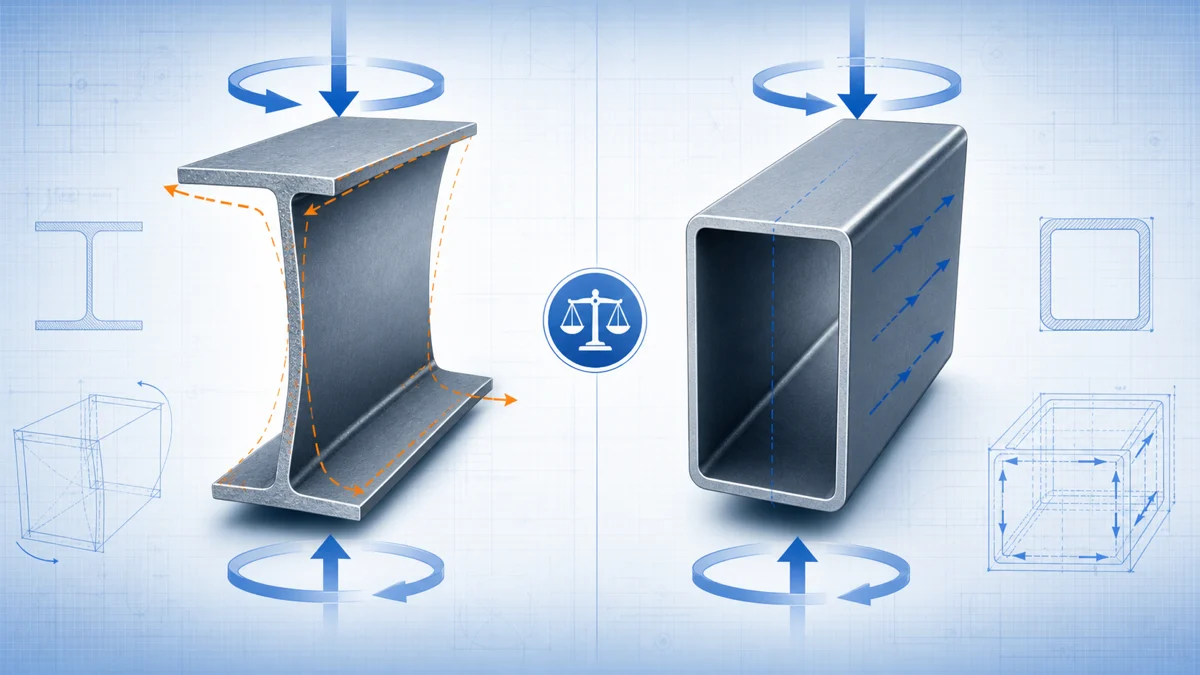
The Engineering Shift to Closed Sections Traditionally, I-beams were the default for industrial framing. However, DTC is seeing a significant shift toward Rectangular and Square Hollow Sections (RHS/SHS). Why? Because a closed profile provides up to 200 times the torsional stiffness of an open I-beam of the same weight. In structures subject to wind loads or off-center weight, RHS offers a much higher safety margin.
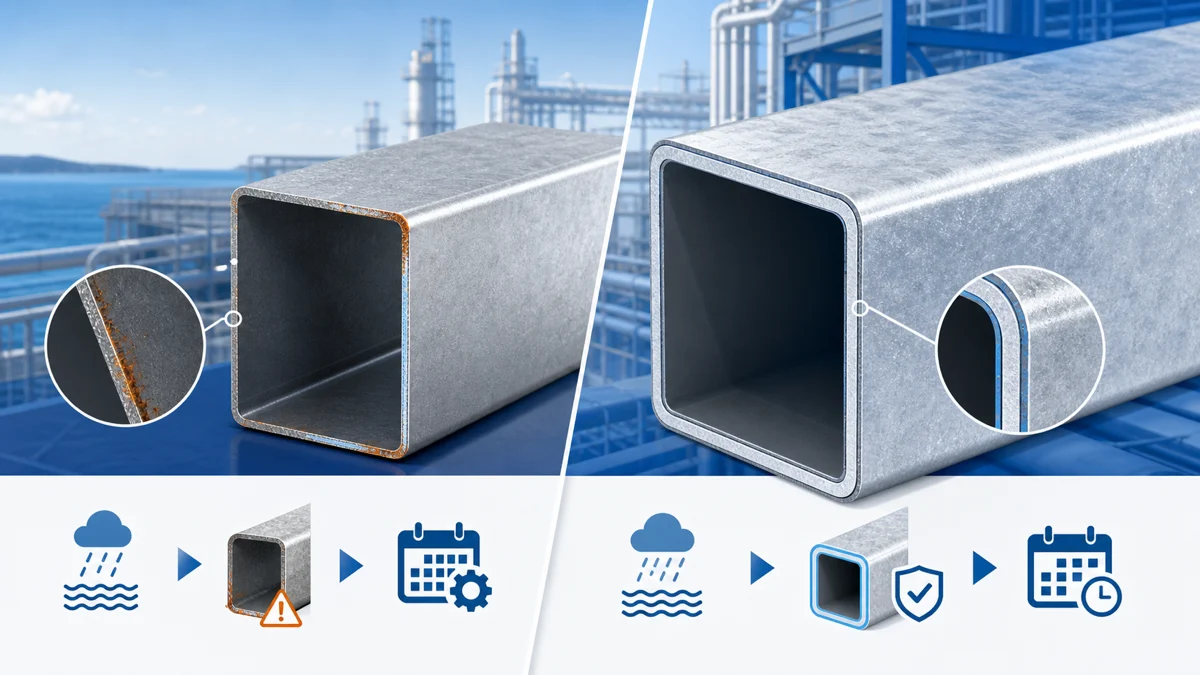
1. Hot-Dip Galvanizing (HDG) vs. Pre-Galv For projects in coastal or high-humidity zones, the Return on Investment (ROI) of Hot-Dip Galvanizing (to ISO 1461) is undeniable. While “Pre-Galvanized” steel is cheaper, its coating is thin and the edges are left exposed after cutting. DTC’s HDG profiles provide a thick, metallurgical bond that protects the steel for 50+ years without maintenance.
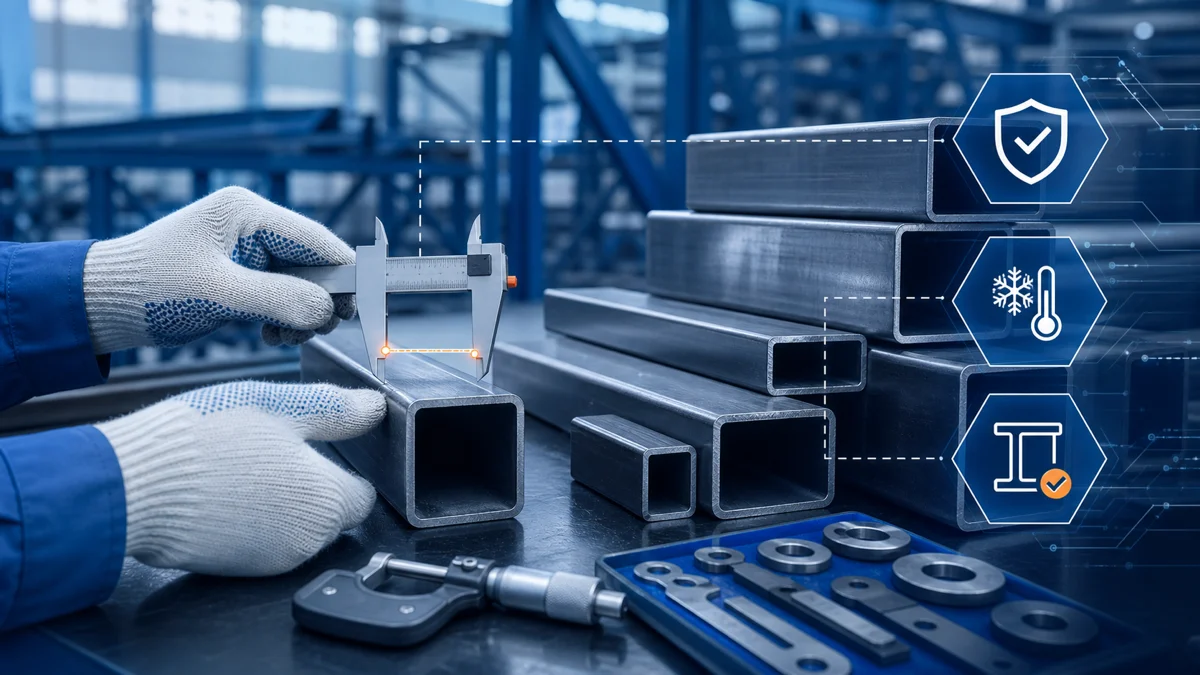
2. The Importance of MTC 3.1 in Structural Safety In structural engineering, “Steel is Steel” is a dangerous myth. The yield strength (e.g., S235 vs. S355) and impact testing at low temperatures (J2 or K2 ratings) determine whether a building stands or fails in extreme weather. DTC ensures that every beam and column is delivered with full certification, guaranteeing that the steel you bought is the steel that was tested.
Related Articles
-
 July 29,2026
Welding vs. Grooving: Why Modern Commercial Projects are Switching to DTC Grooved Systems
The Labor Cost Revolution In the US and European commercial construction markets, labor is the single highest expense. Welding a 6-inch fire main requires a skilled welder, fire permits, and significant time. 1. 3x Faster Installation A DTC grooved system can be installed 3 to 4 times faster than a …
-
 July 29,2026
An Introduction to Grooved Piping Systems: Speed, Flexibility, and Vibration Dampening
1. The Grooved Concept Instead of welding or threading, a groove is rolled or cut into the end of the pipe. A Grooved Coupling (containing a C-shaped gasket) is then bolted over the two pipe ends to create a seal. 2. Rigid vs. Flexible Couplings Rigid Couplings: Create a joint that behaves like a we …
-
 July 29,2026
Avoiding the “Paperwork Trap”: Why DTC Conducts Independent PMI and Hardness Testing
The Risk of Document Fraud In the global PVF market, a certificate is only as good as the company behind it. Unfortunately, “paperwork-only” suppliers often pass off inferior materials with forged MTCs. 1. Positive Material Identification (PMI) At DTC, we don’t just trust the mill; …