

Navigating Seamless vs. Welded Pipes: A Strategic Sourcing Guide for Energy Projects
The Strength of the Weld The traditional belief that “Seamless is always safer” is being challenged by modern metallurgy. At DTC Flowtech, we help project managers balance cost and safety by analyzing the Joint Efficiency Factor.
1. When to Invest in Seamless (SMLS) For high-pressure boiler tubes or critical process piping, SMLS remains non-negotiable. The absence of a weld seam eliminates the risk of “seam failure” and simplifies the calculation of allowable working pressure. If your project involves high-temperature steam (Superheated), SMLS ASTM A106-B is your baseline for reliability.

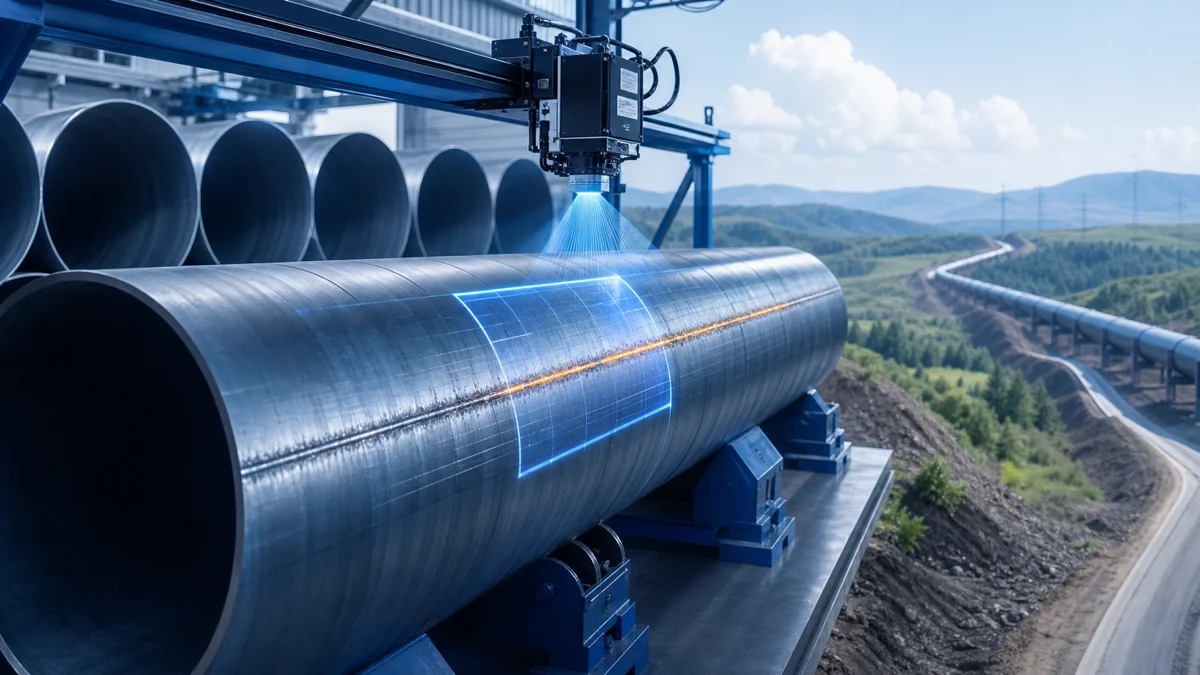
2. The LSAW Advantage for Large Diameters When moving to diameters above 24 inches, Seamless production is either impossible or extremely expensive. DTC’s LSAW (Longitudinal Submerged Arc Welded) pipes offer a powerful alternative. By using high-quality plate and 100% X-ray inspection of the seam, our LSAW pipes match the performance of Seamless for large-scale water or oil transmission lines at a 30-40% lower cost.
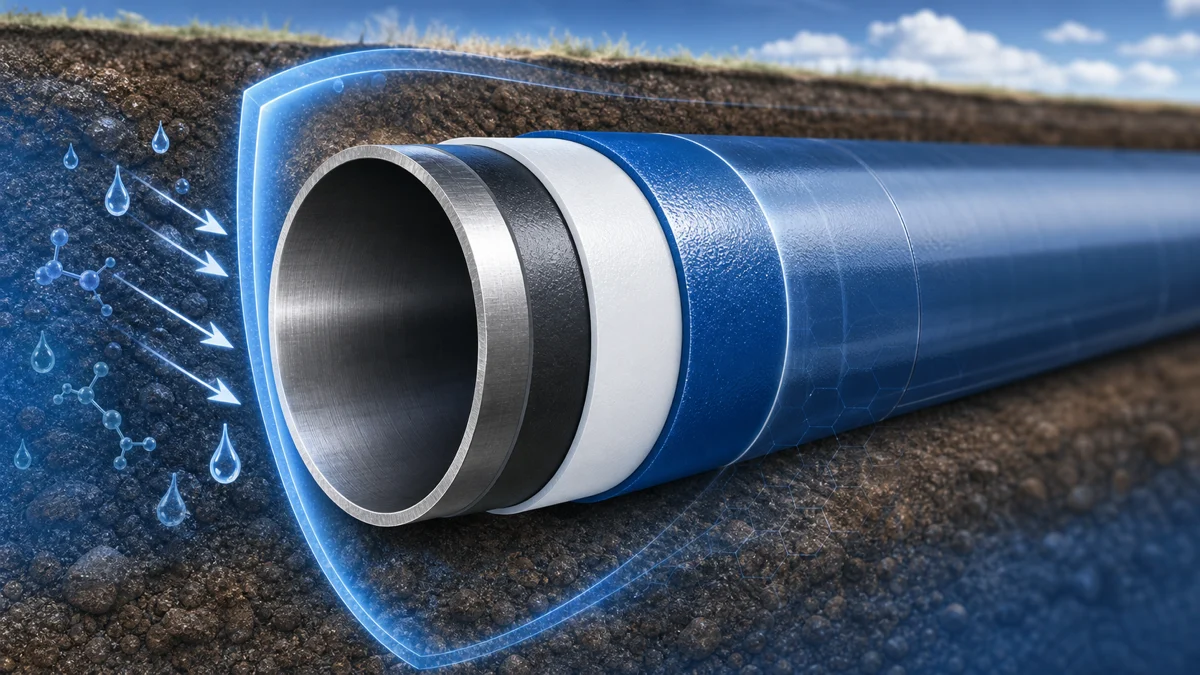
3. Corrosion Protection: The DTC “Sour Service” Solution For pipelines buried in corrosive soil, the pipe material is only half the story. DTC specializes in 3LPE (3-Layer Polyethylene) and FBE (Fusion Bonded Epoxy) external coatings. These systems provide a 50-year barrier against moisture and chemical attack, effectively doubling the lifespan of the underlying carbon steel pipe.
Summary for Buyers Don’t over-specify. Use Seamless for small-diameter high-pressure zones, and leverage high-quality LSAW with advanced coatings for large-diameter transmission to optimize your project budget.
Related Articles
-
 July 29,2026
Welding vs. Grooving: Why Modern Commercial Projects are Switching to DTC Grooved Systems
The Labor Cost Revolution In the US and European commercial construction markets, labor is the single highest expense. Welding a 6-inch fire main requires a skilled welder, fire permits, and significant time. 1. 3x Faster Installation A DTC grooved system can be installed 3 to 4 times faster than a …
-
 July 29,2026
An Introduction to Grooved Piping Systems: Speed, Flexibility, and Vibration Dampening
1. The Grooved Concept Instead of welding or threading, a groove is rolled or cut into the end of the pipe. A Grooved Coupling (containing a C-shaped gasket) is then bolted over the two pipe ends to create a seal. 2. Rigid vs. Flexible Couplings Rigid Couplings: Create a joint that behaves like a we …
-
 July 29,2026
Avoiding the “Paperwork Trap”: Why DTC Conducts Independent PMI and Hardness Testing
The Risk of Document Fraud In the global PVF market, a certificate is only as good as the company behind it. Unfortunately, “paperwork-only” suppliers often pass off inferior materials with forged MTCs. 1. Positive Material Identification (PMI) At DTC, we don’t just trust the mill; …